Your Trusted Mortgage Broker

EVERY MORTGAGE IS UNIQUE.
LET ME HELP YOU FIND YOURS.
APPLY NOW WITH KEVIN

Understanding mortgage financing can be difficult, it doesn't have to be, here's the plan!

STEP ONE

Connect with me! 

The process starts when you let me know you'd like to talk about your mortgage. I'm happy to take a look at your financial situation and put together a plan for your first/next mortgage!

STEP TWO

Discuss your options.

When it comes to mortgage financing, you have a lot of options!  When you work with me, I clarify those options, so you can make the decision that best suits your needs.


STEP THREE

Arrange the paperwork.

Handling the paperwork is the nitty gritty of mortgage financing. And this is where I shine! I make sure you know exactly what is required of you at every step, limiting any delays.

STEP FOUR

Lifetime support.

I've worked with clients just like you for almost 15 years. I'm not going anywhere!

So as long as you need a mortgage, you can trust that I will be there for you! 

Mortgage Broker
#M11001280

CONTACT ME APPLY NOW

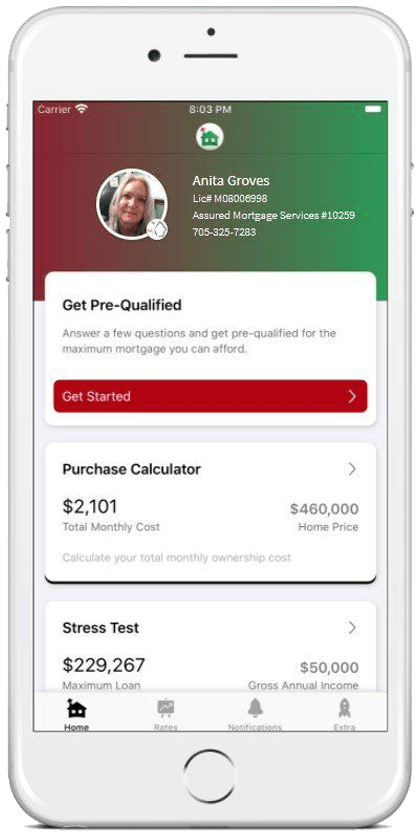
Download My Mortgage App HERE

I am an experienced Mortgage Broker of Integrity with an MBA.
 
Every mortgage I recommend has to pass muster with the following question: “If I were this borrower, would this be the mortgage I would recommend for myself?"


A family man married for more than 25 years, with 3 children, I’ve worked in finance and consulting for 16 years, and 8 years specifically in mortgages. I’ve owned rental properties, renovated houses done commercial equipment leasing and owned a restaurant franchise. I’ve seen a lot, and financed a lot for myself; so I know from personal experience how hard it can be for the self-employed person.
 
I do purchase financing, refinances, consolidations of debt, CRA payouts, consumer proposal payouts and commercial mortgages. I have access to a lot of private money, and I LOVE solving difficult situations – quite often, the banks themselves will send mortgages to me that they can’t do in-house. I’ve had lots of folks crying on the other side of the table as they recount the difficult circumstances such as job loss, illness or divorce that led them to my office. Many of those folks were crying with joy later when I found a solution that allowed them to keep their home. If you’ve got equity, you’ve got hope!
 
Things are tough for many, and with borrowing rules constantly changing, a steady hand is needed to navigate the mortgage landscape. Even strong borrowers loyal to their bank are finding that their bank is not loyal to them.


Your situation is unique, and my solutions are catered to your needs, not the bank’s. 
 
My clients know that I never stop trying for them, because it's not just your mortgage – it’s ours.


Take care and talk soon,


-Kevin


Download the Canadian Mortgage App and:


  • Calculate your total cost of owning a home
  • Estimate the minimum down payment you need
  • Calculate Land transfer taxes and the available rebates
  • Calculate the maximum loan you can borrow
  • Stress test your mortgage
  • Estimate your Closing costs
  • Compare your options side by side
  • Search for the best mortgage rates
  • Email Summary reports (PDF)
  • Use my app in English, French, Spanish, Hindi and Chinese

Calculators

curious about what you might be able to afford?


Resources

Looking for some more information? Read through my blog.


By Kevin Roye July 8, 2026
What Online Mortgage Calculators Can—and Can’t—Tell You Online mortgage calculators are everywhere—and on the surface, they seem like a no-brainer. You plug in some numbers, and out pops what you can “afford.” Simple, right? Not quite. While the math itself is correct, the story behind those numbers is often misleading. Mortgage qualification isn’t just about numbers—it’s about context, risk, and lender policy. And that’s where calculators fall short. The Numbers Are Accurate—but the Picture Isn’t An online calculator can show you what a payment might look like at a given interest rate, or how making extra payments could reduce your amortization. That’s useful information! But when it comes to mortgage qualification , calculators don’t account for the many variables that lenders consider, such as: Your credit history and score Employment type (salary, self-employed, contract) Outstanding debts and monthly obligations Assets, savings, and down payment source The property type and location you’re buying Lenders evaluate all these factors through their internal risk models. That means two people entering the exact same numbers into a calculator could receive very different results when they actually apply for a mortgage. Why Online Calculators Can Mislead You When you see a “How much can I afford?” or “Mortgage Qualification” calculator online, it’s easy to treat the result as fact. But these tools don’t know your financial story—they only crunch the data you enter. A calculator can’t predict how a lender views your risk, how new mortgage rules apply to your file, or how things like spousal support, car loans, or variable income will impact approval. In short: calculators estimate payments, not qualification . Use Calculators the Right Way Don’t get us wrong—online calculators still have value. Use them to explore different “what-if” scenarios: How do payments change with different down payment amounts? How would a rate increase affect affordability? What if you added $100 a month to your payments? These tools are great for helping you understand your comfort zone. Just remember: they’re a starting point, not a green light. The Real First Step: Get a Pre-Approval If you’re serious about buying a home, skip the guesswork and get a mortgage pre-approval . It’s quick, free, and gives you real-world clarity on what you can afford. A pre-approval looks at your full financial picture—income, credit, debts, assets—and provides a framework for your purchase price, payment range, and rate options. It’s the only way to get a reliable answer to the question, “What can I really afford?” Final Thoughts Online calculators are convenient, but they can’t replace expert advice. Think of them as a starting point, not a solution. A professional mortgage broker can interpret the numbers, navigate lender policies, and tailor your financing strategy to your actual situation. If you’d like help understanding your true buying power—or want to get pre-approved with confidence— reach out anytime . I’d be happy to walk you through your options and help you make sense of the numbers.
By Kevin Roye July 1, 2026
Going Through a Divorce? Don’t Let Your Credit Take the Hit Divorce is stressful enough without adding financial fallout to the mix. Between lawyers, paperwork, and emotional strain, it’s easy to overlook how a separation can impact your credit. But your financial future depends on protecting it now—because long after the dust settles, a damaged credit score can linger. Here are a few smart steps to help keep your credit strong and your finances steady as you move forward. 1. Take Control of Joint Debts When it comes to joint debt, both parties are equally responsible—no matter what your divorce agreement says. If your ex misses a payment on an account with your name attached, your credit takes the hit too. Go through all joint credit cards, loans, and lines of credit. Wherever possible: Close joint accounts to stop future shared use. Transfer balances to the person responsible for repayment. Notify lenders in writing of any changes to account ownership. Once everything is updated, pull your credit report after three to six months to confirm all joint accounts have been closed and reporting correctly. Mistakes happen—stay proactive to prevent surprises later. 2. Open Your Own Bank Accounts Separation means financial independence, and that starts with your own banking. Open a new chequing account in your name only and redirect your pay deposits and bill payments there. At the same time, close any joint bank accounts and change passwords on existing online banking and credit profiles. Even in peaceful separations, shared access can cause confusion—or conflict. Protect yourself by ensuring your money and information are secure. 3. Start Building Credit in Your Name If most of your past credit was tied to your spouse’s name, now’s the time to establish your own. Apply for a small personal credit card or secured credit product . Use it sparingly and pay it off in full each month. This helps you build a solid individual credit history, setting the stage for future goals like buying a home, refinancing, or starting fresh financially. 4. Keep an Eye on Your Credit Monitor your credit report regularly for errors or unexpected changes. You can request free reports from both major credit bureaus in Canada— Equifax and TransUnion —once a year. Tracking your credit isn’t just about catching mistakes; it helps you see your progress as you rebuild your financial independence. Final Thoughts Divorce can be emotionally draining, but protecting your credit doesn’t have to be complicated. By taking a few careful steps now—closing joint accounts, building credit in your name, and monitoring your reports—you’ll safeguard your financial health and gain peace of mind as you start your next chapter. If you’d like personalized guidance on managing credit during or after a divorce, reach out anytime. I’d be happy to walk you through your options.
By Kevin Roye June 24, 2026
When you apply for a mortgage, your employment history and status carry a lot of weight. Even if you feel secure in your job, lenders need proof that your income is reliable and will continue. To them, your employment status is one of the strongest indicators of whether you can make your mortgage payments long term. Here’s how lenders typically view different employment situations: Permanent Employment This is the gold standard. Once you’ve passed any probationary period and hold permanent status, lenders see you as a lower risk. It shows that your employer is committed to you, and your income is steady. Probationary Periods If you’re still on probation—usually 3 to 6 months, though sometimes longer—lenders may hesitate. That’s because your employer can end your contract without cause during this period. Once probation is over, you’re considered more secure. That said, context matters. If you’ve worked with the same company for years as a contractor and just transitioned into full-time employment, lenders may accept a letter from your employer confirming that probation is waived. Documentation is key here. Parental Leave Being on or about to take parental leave doesn’t mean you can’t qualify for a mortgage. As long as you have a letter from your employer guaranteeing your position and return-to-work date, lenders can use your regular salary—not your leave income—when assessing your application. Term Contracts This is one of the trickiest categories. Even highly skilled professionals with strong incomes can face challenges here. A term contract has a start and end date, which makes lenders question the stability of your future income. To use term-contract income, lenders generally want to see at least two years of history, or proof that your contract has already been renewed. The more evidence you can show of consistent employment, the stronger your case will be. The Bottom Line If you’re planning to apply for a mortgage, it’s important to understand how your employment status could affect your approval. Whether you’re starting a new job, coming back from leave, or working under contract, lenders want documentation that proves your income is reliable. 📞 If you’ve recently changed jobs or are planning a career shift, let’s connect. I can help you prepare your file so you qualify with confidence and avoid surprises in the approval process.
Show More

CONTACT ME


Contact Us

GET IN TOUCH


I'm committed to helping you in any way I can. Leave me a note and I'll get in touch with you shortly.

Phone or Text: 705-796-8159

Fax: 877-256-7283

CONTACT US


Contact Us

GET IN TOUCH


We're committed to helping you in any way we can. Leave us a note and we'll get in touch with you shortly.

Phone or Text: 705-325-7283

TF Phone or Fax: 877-256-7283